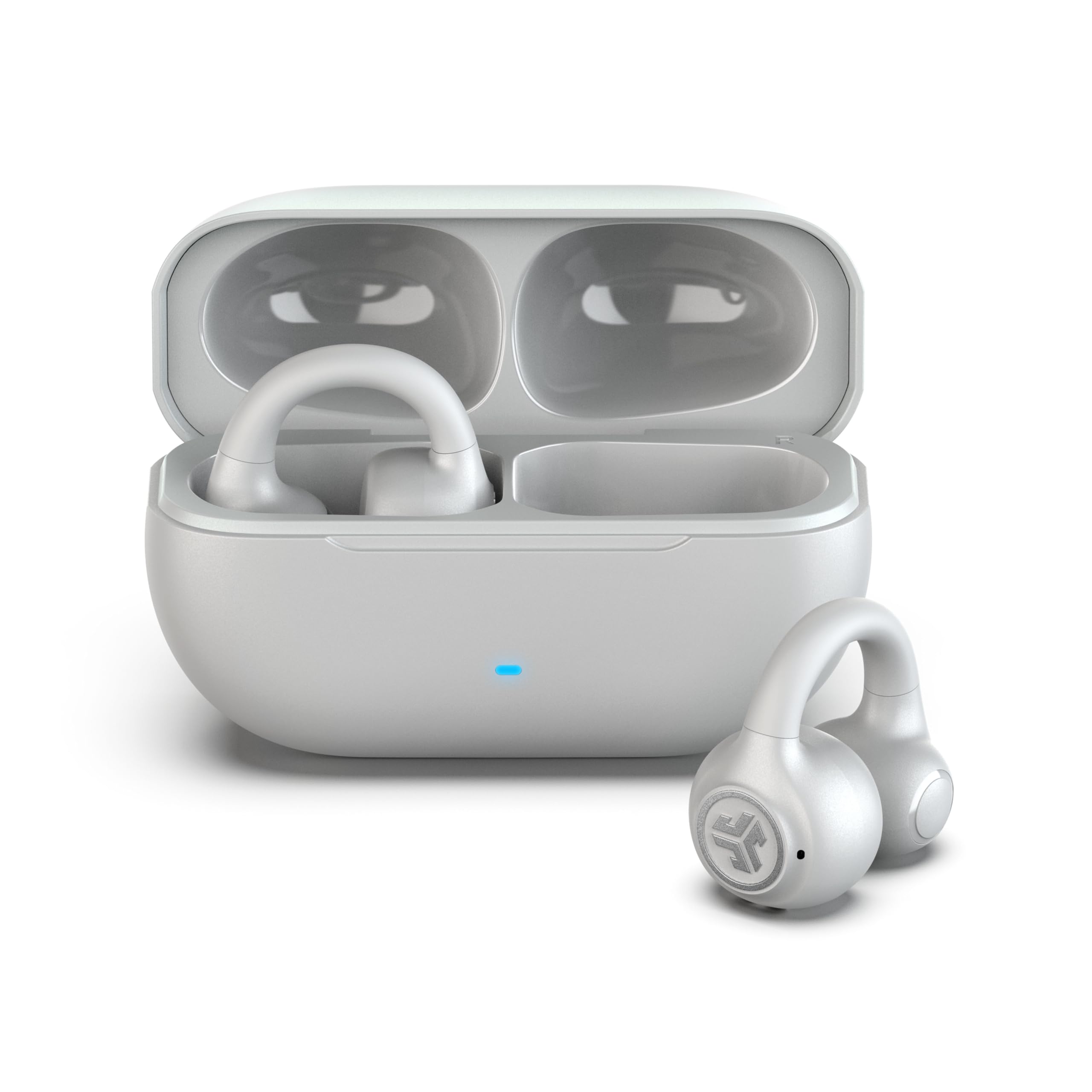
The JLab Flex Open Ear Earbuds Clip On True Wireless Bluetooth Earbuds Cloud review centers on a lightweight cuff-style design for people who want personal audio while keeping their ears open to surrounding sounds.
With app EQ, multipoint pairing, and a charging case, they suit commutes and everyday listening, while the open-ear format brings tradeoffs in bass impact and isolation.
JLab Flex Earbuds Review Summary
The quick verdict
2,000+ ratings
Read Amazon ReviewsJLab Flex Open Ear Earbuds
A practical fit for listeners who want clip-on open-ear audio, two-device Bluetooth pairing, and app-based sound adjustments for daily use.
- Clip-on cuff design wraps around the outer ear and does not use ear tips inside the canal.
- Dual 12 mm open-ear speakers sit outside the ear canal, with a bass boost algorithm.
- More than seven hours of listening per earbud and more than 21 hours total with the charging case.
- Bluetooth 5.3 multipoint connects to two devices simultaneously; Google Fast Pair supports pairing on Android devices.

Pros
- Outer-ear cuff avoids the in-canal pressure of conventional tip-based earbuds.
- Open-ear playback can help keep surrounding sounds accessible during everyday listening.
Consider before buying
- The open-ear format offers less isolation than a sealed in-ear design, which may make music harder to hear in noisy places.
- A cuff-style fit depends on how the shape of the outer ear accommodates it, so comfort and stability may vary by wearer.
Read the full review summary
The Flex uses dual 12 mm speakers positioned outside the ear canal, with a bass boost algorithm intended to support fuller open-air audio.
Its cuff wraps around the outer ear without ear tips, which may appeal to people who dislike pressure inside the canal or want a less intrusive fit.
The design can also make it easier to remain aware of nearby activity, though open-ear listening cannot substitute for paying attention to the environment.
JLab lists more than seven hours of use per earbud and more than 21 hours total with the case. Bluetooth 5.3 multipoint supports connection to two devices, while the JLab app provides EQ and touch-control customization.
The combination is useful for switching between a phone and computer, but buyers should choose this style for comfort and convenience rather than expecting sealed-ear isolation.
The buying factors
JLab Flex Earbuds Scorecard
Editorial scores reflect listed features and buyer fit; they are not laboratory measurements or customer ratings.
Open-ear comfort design
The clip-on cuff sits around the outer ear and avoids placing tips inside the canal, a useful design for listeners who dislike in-ear pressure.
Everyday battery flexibility
More than seven hours per earbud and more than 21 hours total with the case should cover many typical listening routines, with the case extending use between charges.
Device switching
Bluetooth multipoint connects to two devices at once, which is convenient for moving between a phone and a computer.
Sound adjustment
App EQ and a bass boost algorithm provide some ways to shape the sound, though the open-ear design is not aimed at sealed, immersive listening.
Workout readiness
The cuff fit and IPX4 rating for sweat and light rain make the earbuds relevant to light workouts, but the stated protection is limited to those conditions.
Call features
A MEMS noise-canceling microphone is included for calls, and app controls add flexibility, although no specific call-quality measurements are given.
Key Features and Specifications of JLab Flex Earbuds
- Clip-on cuff design wraps around the outer ear and does not use ear tips inside the canal.
- Dual 12 mm open-ear speakers sit outside the ear canal, with a bass boost algorithm.
- More than seven hours of listening per earbud and more than 21 hours total with the charging case.
- Bluetooth 5.3 multipoint connects to two devices simultaneously; Google Fast Pair supports pairing on Android devices.
- JLab app includes EQ and touch-control customization.
- IPX4 rating is intended for sweat and light rain; a MEMS noise-canceling microphone is provided for calls.
- Includes a two-year warranty.
Pros and Cons of JLab Flex Earbuds
Pros
- Outer-ear cuff avoids the in-canal pressure of conventional tip-based earbuds.
- Open-ear playback can help keep surrounding sounds accessible during everyday listening.
- Two-device multipoint is convenient for people who alternate between a phone and computer.
- App EQ and touch-control settings give listeners ways to tailor the experience.
Consider before buying
- The open-ear format offers less isolation than a sealed in-ear design, which may make music harder to hear in noisy places.
- A cuff-style fit depends on how the shape of the outer ear accommodates it, so comfort and stability may vary by wearer.
- IPX4 is specified for sweat and light rain; buyers needing protection for heavy rain or water immersion should look for a different protection level.
Who Should Buy JLab Flex Earbuds?
Good fit
Consider the JLab Flex if you want earbuds that leave the ear canal open and prefer a clip-on hold over inserting ear tips.
The cuff design may be especially appealing for casual listening at home, walking, or commuting when you still want nearby sounds to remain audible.
They also make sense if you switch between two Bluetooth devices and want the earbuds connected to both, or if you like adjusting EQ and touch controls in an app.
The listed battery life gives a useful reserve for day-to-day listening, with the charging case extending total use.
For workouts, the fit and IPX4 rating make them a reasonable option for sweat and light rain. Check that the cuff sits comfortably on your ear and remains secure during the movement you have in mind.
Who should skip it
Skip this style if you need strong passive isolation for a loud commute or want sound to stay contained around other people. Open-ear listening leaves the canal uncovered, so the surroundings remain part of the experience.
If your priority is deep, sealed bass or water protection beyond sweat and light rain, compare designs intended for those needs before choosing.
How the JLab Flex Earbuds Fit Everyday Listening
The clip-on fit changes the listening experience
The cuff wraps around the outer ear, leaving the canal open and avoiding the pressure that can come from inserted tips.
That can be a practical comfort choice for long casual sessions, but the right fit depends on the listener’s ear shape.
If possible, consider return terms and try the fit during a short session before relying on it for a full day.
Open-air sound favors awareness over isolation
The dual 12 mm speakers sit outside the ear canal, and the bass boost algorithm is intended to add weight to open-air audio.
Because the ear remains uncovered, outside sounds can remain audible; that can suit walks and everyday tasks, while making the earbuds less appropriate when blocking noise or keeping audio private matters.
Battery and pairing for a mixed-device routine
More than seven hours per earbud and more than 21 hours with the case suggest a setup suited to several listening periods between charging opportunities.
Multipoint supports two simultaneous device connections, so a listener can keep a phone and computer paired. Google Fast Pair is also included for Android pairing.
App settings and weather limits
JLab’s app adds EQ and touch-control customization, allowing adjustments without changing the physical fit.
The IPX4 rating is described for sweat and light rain, which is useful for ordinary workouts or damp conditions; it does not establish suitability for immersion or more demanding water exposure.
Alternatives to JLab Flex Earbuds
Battery-focused alternative
1,000+ ratings
Read Amazon ReviewsSHOKZ OpenDots 2
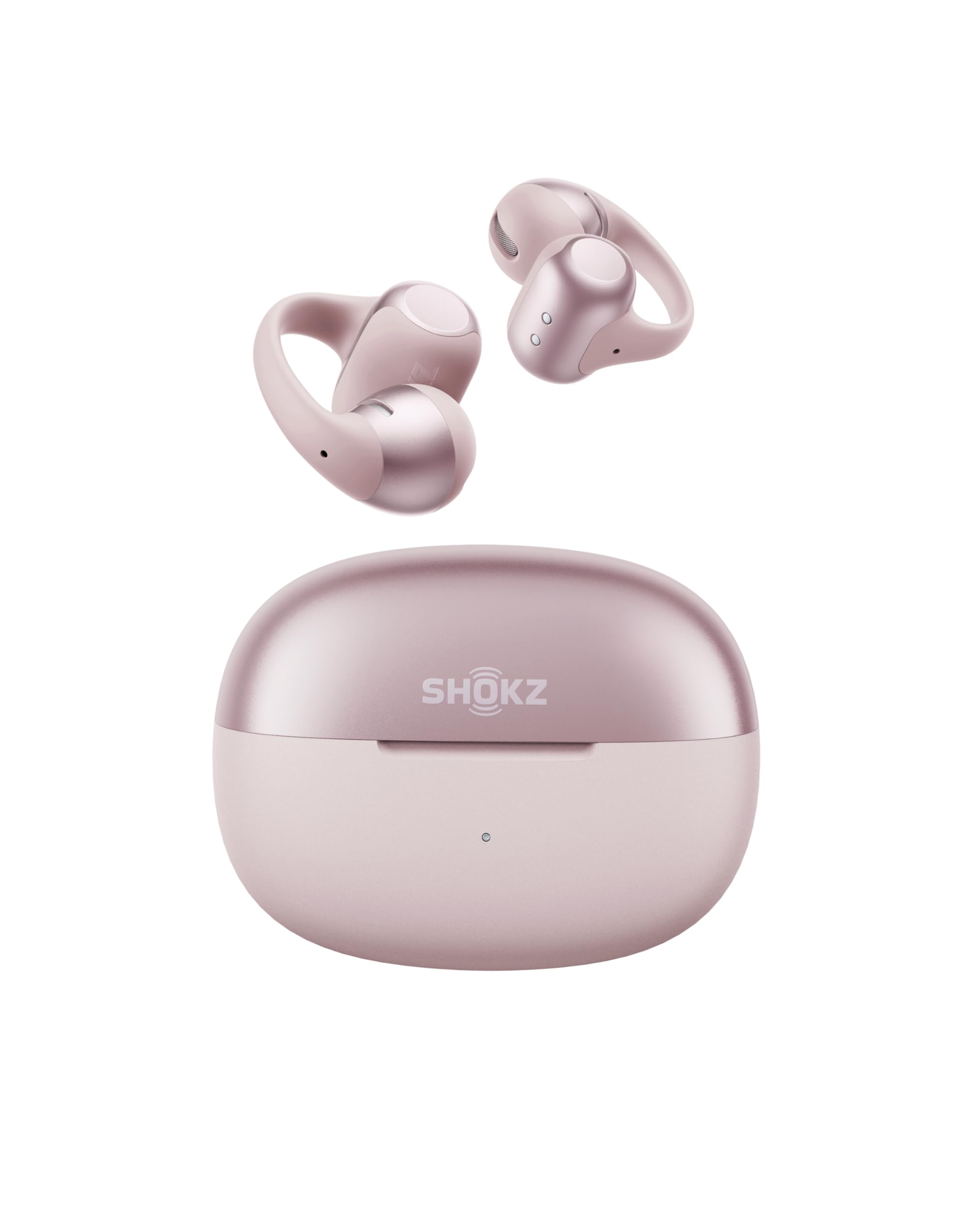
Compare the OpenDots 2 if you want a similar clip-on approach with longer listed total playback, wireless charging, or a higher stated water-resistance rating.
The JLab Flex remains a fitting alternative if its outer-ear cuff design and two-device pairing suit your routine.
- The SHOKZ OpenDots 2 is also a clip-on open-ear option.
- Its description lists dual 11.8 mm drivers, Dolby Audio, up to 10 hours per charge and up to 40 hours total with the case, wireless charging, IP57 water resistance, and app EQ.
- The JLab Flex uses a clip-on open-ear cuff with dual 12 mm speakers, app EQ, multipoint pairing, and more than 21 hours of total listed playtime with its case.
Battery-focused alternative
9,000+ ratings
Read Amazon ReviewsSHOKZ OpenRun Pro 2
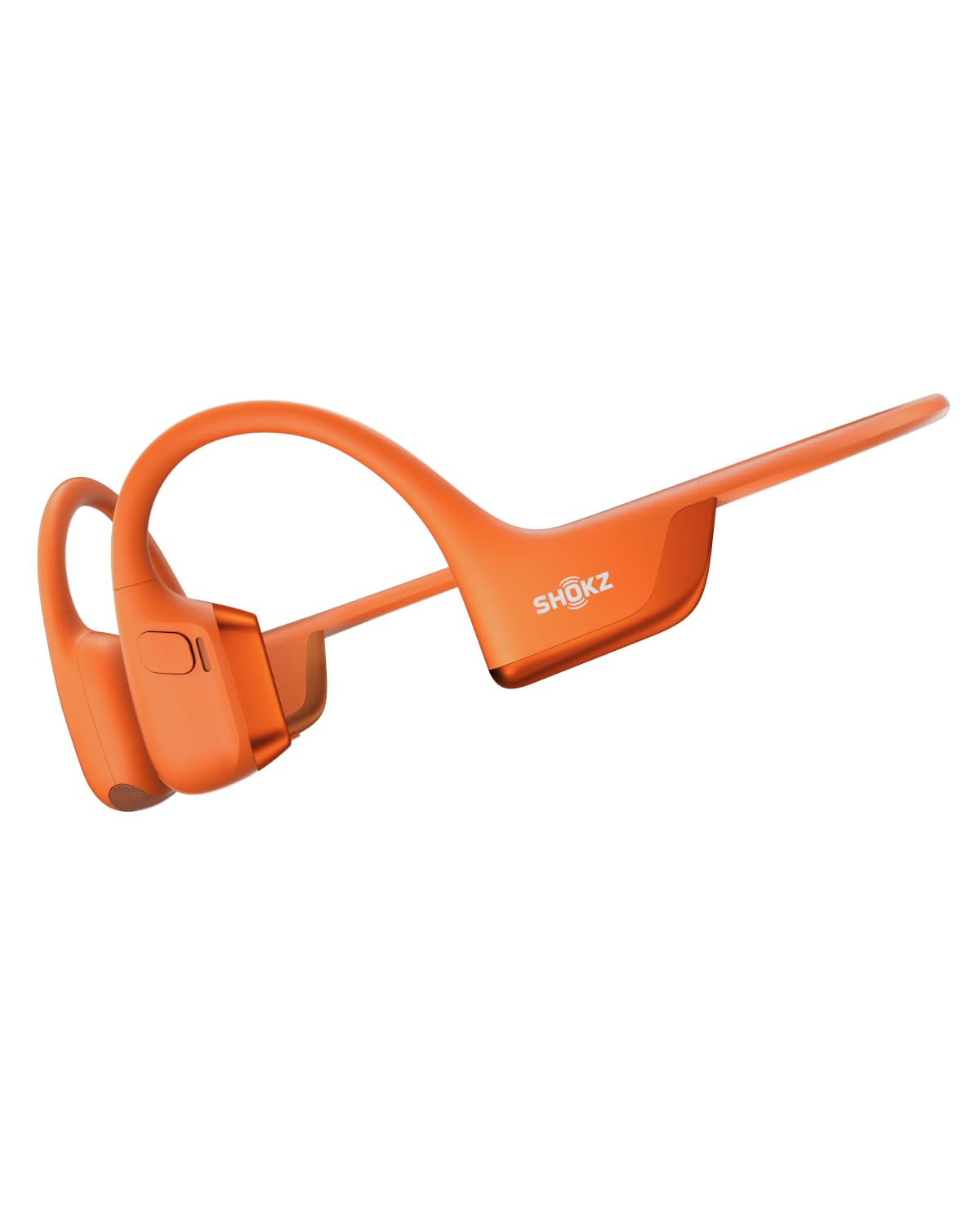
Consider the OpenRun Pro 2 if a frame-and-hook fit for running or workouts and its combined conduction design better match your priorities.
Choose the JLab Flex if you prefer separate clip-on earbuds and want the stated two-device multipoint feature.
- The SHOKZ OpenRun Pro 2 uses a unibody frame with ear hooks and combines bone conduction with air conduction.
- Its description lists up to 12 hours of audio, app EQ modes, and dual microphones with wind-resistant positioning.
- The JLab Flex is a clip-on cuff earbud design with open-air speakers, app EQ, and multipoint pairing for two devices.
Is JLab Flex Earbuds Worth It?
The JLab Flex Open Ear Earbuds are worth considering if you value an outer-ear clip-on fit, an open listening experience, and the convenience of connecting to two devices.
App EQ and the charging case add practical flexibility for daily use.
Their main tradeoffs follow from the open-ear design: they do not isolate the listener from surrounding noise, and the cuff fit may not suit every ear.
Choose them for comfort and situational awareness; look elsewhere if isolation or more demanding water protection is central to your needs.
Your review at a glance
2,000+ ratings
Read Amazon ReviewsJLab Flex Open Ear Earbuds
A practical fit for listeners who want clip-on open-ear audio, two-device Bluetooth pairing, and app-based sound adjustments for daily use.
- Clip-on cuff design wraps around the outer ear and does not use ear tips inside the canal.
- Dual 12 mm open-ear speakers sit outside the ear canal, with a bass boost algorithm.
- More than seven hours of listening per earbud and more than 21 hours total with the charging case.
- Bluetooth 5.3 multipoint connects to two devices simultaneously; Google Fast Pair supports pairing on Android devices.